
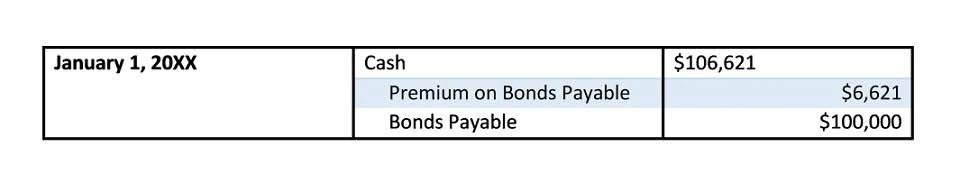
Depletion is the cost allocation method used specifically for natural resources, such as oil reserves, timber, and mineral deposits. A special repayment is an additional payment that is made alongside the regular installments in order to reduce the remaining debt more quickly. This method can be used in conjunction with other amortization methods.
How to get a mortgage
Amortization is a certain technique used in accounting to reduce the book value of money owed, like a loan for example. It can also get used to lower the book value of intangible assets over a period of time. A cumulative amount of all the amortization expenses made for an intangible asset is called accumulated amortization. It gets placed in the balance sheet as a contra asset under the list of the unamortized intangible. When these intangible assets get consumed completely or are eliminated, then their accumulated amortization amount is also deleted from the balance sheet. It displays the portion of each payment that goes towards interest and the portion that goes towards reducing the principal balance.
Benefits of Amortization, Why Is Amortization Important?

Depreciation applies to tangible assets (e.g., machinery), while amortization applies to intangible assets https://www.bookstime.com/ (e.g., patents). Amortization is the process of allocating the cost of an intangible asset or loan repayment systematically over its useful life or repayment term. Even though intangible assets cannot be touched, they are still an essential aspect of operating many businesses. Amortisation is the affirmation that such assets hold value in a company and must be monitored and accounted for. The difference between these two terms is best illustrated by looking at them side-by-side.

types of amortizing loans
- By making extra payments toward the principal balance, you can reduce your accrued interest and work toward getting out of debt much faster.
- In fact, with amortization, you are able to buy things you need or want much sooner, such as your dream home or car.
- The expense is reported on the income statement, and the accumulated amount is reflected on the balance sheet.
- Before taking out a loan, you certainly want to know if the monthly payments will comfortably fit in the budget.
- One of the most common ways to pay off something such as a loan is through monthly payments.
To do the calculation, you’ll need to know your original loan amount, the number of monthly payments, and the interest rate. Amortization is a financial term primarily used to describe the process of reducing or eliminating a debt through regular payments over a set period. These payments cover both the principal amount of the debt and the interest on the debt.
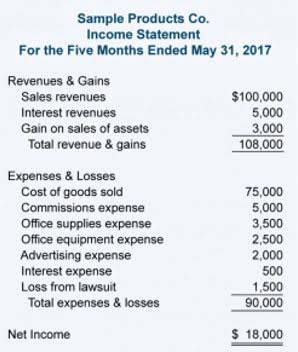
Amortization: Definition, Formula & Calculation

This alignment helps in maintaining compliance with accounting standards and principles, resulting in clearer and more consistent financial statements. An amortization schedule is a chart that outlines every regular payment on an amortizing loan. It displays the portion of each payment that goes toward paying off the principal and the portion that goes toward paying the interest until the loan https://spigadisole.com/es/shareholders-equity-definition-formula-calculate/ is fully repaid at the end of its term.
- This crystal-clear schedule shows you exactly how your payments chip away at the loan, revealing the interest and principal breakdown in each installment.
- It’s the process of paying off those debts through pre-determined and scheduled installments.
- Engaging with amortization in the context of loans and asset management comes with its own set of risks and challenges.
- Select this method to account for physical wear and tear over time, spreading the cost based on an asset’s lifespan, which varies depending on estimated usage patterns or regulations.
In accounting terms, amortization represents periodic reductions to account for the decrease in the value of an intangible asset (a loan or mortgage). Depreciation also represents periodic amortization simple definition reductions (of capital expenditures) to account for the decreased value of tangible assets. Businesses leverage amortization for loans to fund expansion or manage cash flow, and for accounting to handle intangibles. A company raising capital through debt might use an amortized loan to ensure steady repayment, aligning with revenue cycles.
- Amortization is when an asset or a long-term liability’s value or cost is gradually spread out or allocated over a specific period.
- Amortization is a method of paying down debt or allocating the cost of intangible assets over time, making large financial obligations more manageable.
- It can also help you budget for larger debts, such as car loans or mortgages.
- It also aids in long-term strategic planning, allowing businesses to forecast when major expenses like refinancing or property upgrades will be viable.
- See if QuickBooks is right for your business with our 30-day free trial.
- Discover how amortization structures debt payments and expenses intangible assets.
- Using Bankrate’s calculator can help you see what the outcomes will be for different scenarios.
Why is the Amortization Period important?

It then breaks down each payment across the term into interest and principal portions. This schedule illustrates how each payment reduces the principal and how much interest is paid over time. For personal financial planning, the amortization schedule provides an actionable tool for borrowers. Knowing the principal and interest allocation allows a borrower to calculate the interest savings from an extra principal payment. Prepayments are applied directly against the outstanding balance, immediately reducing the base for future interest calculations.
