
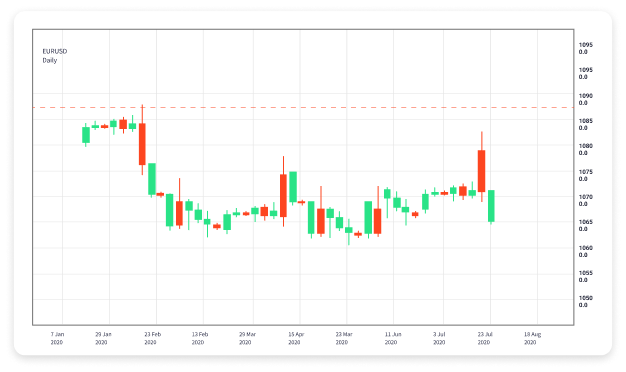
Forex and CFD trading have gained immense popularity in recent years, attracting both novice and seasoned traders. These trading instruments offer the opportunity to profit from the price movements of various assets without owning the underlying instruments. In this article, we will delve into what Forex and CFD trading entails, the differences between the two, essential strategies, and how you can begin your trading journey. Whether you’re based in a bustling city or looking for reliable forex cfd trading Vietnam Brokers, this guide is designed to equip you with the knowledge necessary to succeed.
What is Forex Trading?
Forex, or foreign exchange, is the global marketplace for trading national currencies against one another. Unlike other financial markets, Forex operates 24 hours a day, five days a week, allowing traders to engage in various trading sessions across different time zones. The Forex market is the largest financial market in the world, with a daily trading volume exceeding $6 trillion.
Understanding CFD Trading
Contracts for Difference, or CFDs, allow traders to speculate on the price movement of financial assets without owning the asset itself. When trading CFDs, you enter into a contract with a broker to exchange the difference in the asset’s price from when you open your position to when you close it. CFDs can be traded on a variety of assets, including stocks, commodities, indices, and cryptocurrencies.
Key Differences Between Forex and CFD Trading
While Forex and CFDs share similarities, they also have critical differences. Here are some key distinctions:
- Asset Types: Forex trading exclusively involves currency pairs, whereas CFD trading encompasses a broader range of assets, including stocks, commodities, and more.
- Market Hours: Forex markets are open 24 hours a day, while CFD markets may have specific hours depending on the underlying asset.
- Leverage: Both Forex and CFDs offer leveraged trading, but the levels of leverage and margin requirements can vary significantly.
Getting Started with Forex and CFD Trading
To initiate your trading journey, follow these steps:
- Education: Understand the basics of Forex and CFD trading. Many online resources, webinars, and educational courses are available.
- Select a Broker: Research and choose a reputable trading broker. Ensure they offer a good trading platform, low spreads, and adequate customer support.
- Open an Account: Create a trading account with the chosen broker. Most brokers provide demo accounts for practice before real trading.
- Develop a Trading Plan: Outline your trading strategy, risk management tactics, and financial goals.
- Start Trading: Begin trading with a live account or continue with a demo account until you feel confident in your strategy.
Essential Trading Strategies
To succeed in Forex and CFD trading, having a solid trading strategy is vital. Here are a few popular strategies:
- Scalping: This short-term strategy involves making multiple trades throughout the day to capitalize on small price movements.
- Day Trading: Day traders open and close positions within the same trading day, avoiding overnight risks.
- Swing Trading: This medium-term strategy involves holding positions for several days or weeks to benefit from expected price shifts.
- Position Trading: This long-term strategy focuses on holding trades for an extended period, based on fundamental analysis and broader market trends.

Risk Management in Trading
Effective risk management is crucial for long-term success in trading. Here are some common techniques:
- Set Stop-Loss Orders: A stop-loss order automatically closes your position when it reaches a certain unfavorable price, limiting your potential losses.
- Use Proper Position Sizing: Determine the amount of capital to risk on each trade based on your total account balance.
- Diversify Your Portfolio: Avoid putting all your capital into a single trade or asset. Diversifying can help mitigate risks.
The Role of Technical and Fundamental Analysis
Successful traders often rely on technical and fundamental analysis to make informed decisions:
Technical Analysis
This approach involves analyzing price charts and using indicators to predict future price movements based on historical data. Tools like moving averages, Relative Strength Index (RSI), and Fibonacci retracement levels are commonly used.
Fundamental Analysis
Fundamental analysis focuses on economic indicators, news events, and geopolitical developments that can affect asset prices. Traders often evaluate factors such as interest rates, GDP growth, and employment statistics to make informed trading decisions.
The Importance of Psychological Discipline
Trading is not just about strategies and market analysis; psychological discipline plays a significant role. Emotions such as fear and greed can impact your decision-making. Here are some tips to maintain discipline in trading:
- Stick to Your Trading Plan: Avoid deviating from your strategy, especially during volatile market conditions.
- Accept Losses: Understand that losses are part of trading. Learning to accept them without overreacting is crucial.
- Avoid FOMO (Fear of Missing Out): Don’t let the fear of missing out on potential profits lead you to make impulsive decisions.
Conclusion
Forex and CFD trading can be rewarding if approached with the right knowledge, strategies, and mindset. As a trader, your journey will involve continuous learning and adaptation to the ever-evolving market conditions. Remember to invest time in education, develop a robust trading plan, and practice effective risk management. Whether you’re trading with local brokers or internationally, focus on your personal growth and understanding of the markets to enhance your trading experience.
