
Understanding the psychological triggers that influence gambling behavior
The Illusion of Control
One of the most significant psychological triggers influencing gambling behavior is the illusion of control. Many gamblers believe they can influence the outcome of a game through skill or strategy, even when the results are purely random. This belief can lead to increased engagement and a higher likelihood of continued play, as players feel empowered to make decisions that will lead to favorable outcomes. As players explore various games, they often turn to online casinos to enhance their experience.
This illusion is particularly strong in games like poker, where players feel that their decisions can impact the game’s results. However, in games based entirely on chance, such as slot machines, the illusion of control can lead to repeated losses, as players persist in their belief that a win is just around the corner. This cognitive bias keeps players invested in their betting behavior.
The Role of Reinforcement
Reinforcement plays a crucial role in maintaining gambling habits. Positive reinforcement occurs when a player wins, and this reward strengthens the behavior of gambling. Even small wins can create a powerful association between gambling and pleasure, encouraging players to return for more. This is known as intermittent reinforcement, where the unpredictability of wins keeps players engaged.
On the flip side, negative reinforcement can also occur when players gamble to escape negative emotions or stress. This coping mechanism can make gambling a preferred outlet for some, leading to a cycle of behavior that becomes increasingly difficult to break. Understanding these reinforcement patterns is essential for recognizing why some individuals become habitual gamblers.
The Social Environment
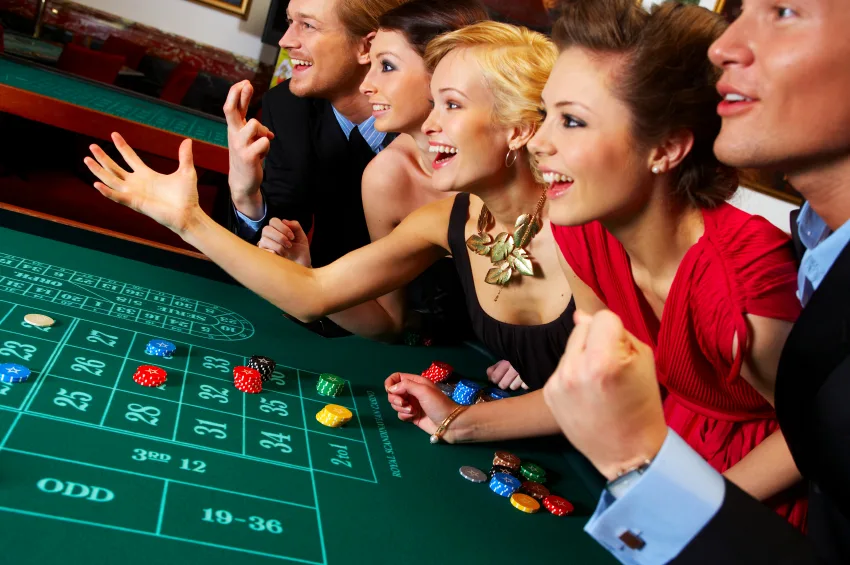
The social context in which gambling occurs is another significant psychological trigger. Many individuals gamble in social settings, where the excitement and energy of others can amplify their own urge to participate. Group dynamics can create a sense of belonging and camaraderie, making the gambling experience more appealing.
Moreover, social reinforcement from peers can normalize gambling behavior, leading individuals to view it as a socially acceptable pastime. This perception can significantly influence one’s decision to gamble and can create a cascade effect, where individuals feel pressured to participate to maintain social ties or status within their group.
The Emotional Rollercoaster
Gambling often elicits a wide range of emotions, from excitement and anticipation to disappointment and frustration. This emotional rollercoaster can be enticing for many individuals, as they seek the thrill associated with high-stakes gambling. The highs of winning can create euphoria, while the lows of losing can lead to a desire to chase those winning feelings, resulting in further gambling.
This emotional engagement can create a dependency on the gambling experience itself, as individuals may begin to associate gambling with an emotional release or an escape from reality. Understanding this emotional connection is crucial for recognizing the reasons behind excessive gambling and the development of problematic gambling behaviors.

Your Guide to Safe Gambling
Understanding the psychological triggers that influence gambling behavior is essential for anyone looking to engage in safe and responsible gambling. Our website serves as a comprehensive resource, offering guidance on how to navigate the online gambling landscape effectively. By providing insights into various platforms and promoting healthy gambling habits, we aim to support individuals in making informed decisions.
Whether you’re a seasoned player or new to the world of online casinos, our expert reviews and articles can help you find the right approach. We prioritize user safety and enjoyment, ensuring that your gambling experience is both entertaining and responsible. Join us to enhance your gaming journey while staying informed about the psychological aspects that drive gambling behavior.
